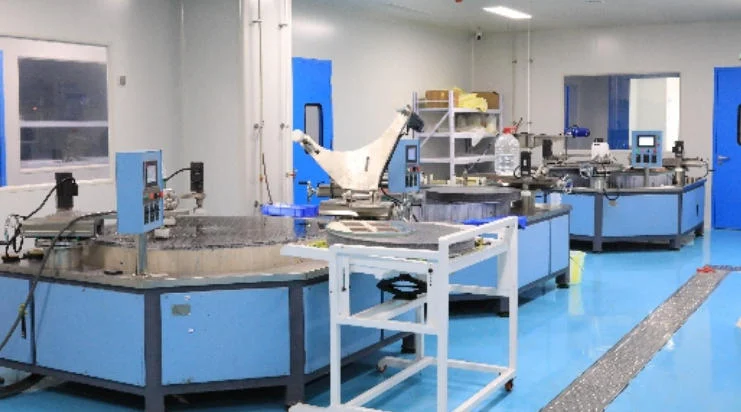
Aspheric Polishing Capability
Engineering-Grade Aspheric Manufacturing for System-Critical Optics
Aspherical optical elements are critical components in optical systems and can easily become performance bottlenecks in high-performance optical systems.
In high-resolution imaging, high-power laser, or infrared systems, the surface stability of aspherical surfaces directly determines whether the system can operate successfully. Failure of an aspherical surface can lead to system paralysis.
High-precision aspherical component processing capability
Asin Optics possesses the capability to fabricate high-precision aspherical components and is renowned for its high-precision aspherical lenses.
We have a long-standing focus on the fabrication of high-precision aspherical lenses and reflective elements, and currently support the fabrication of the following types:
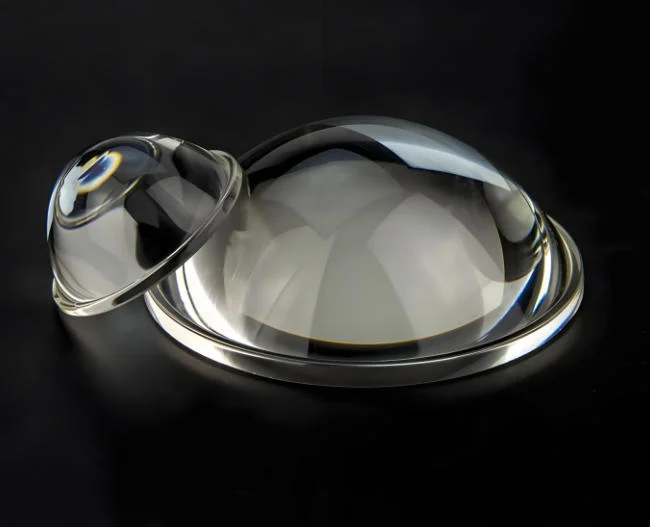
Axisymmetric aspherical surfaces
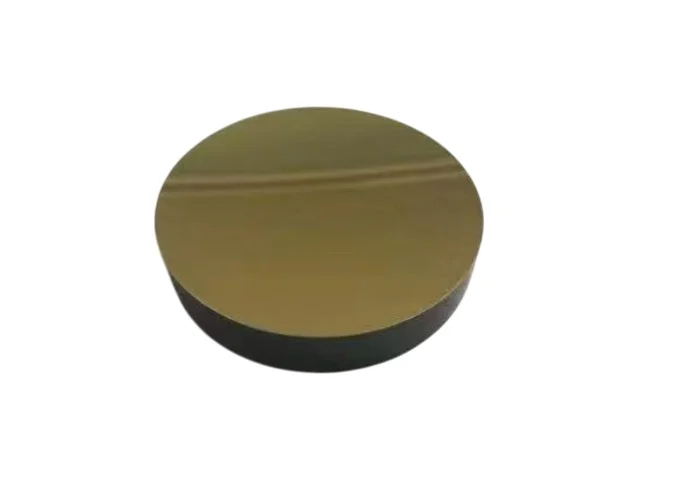
Off-axis aspherical surfaces
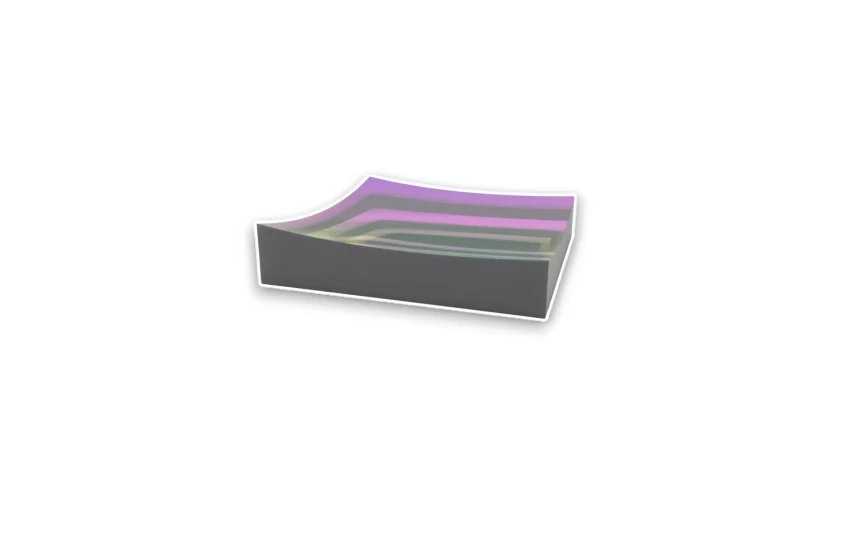
Parabolic surfaces
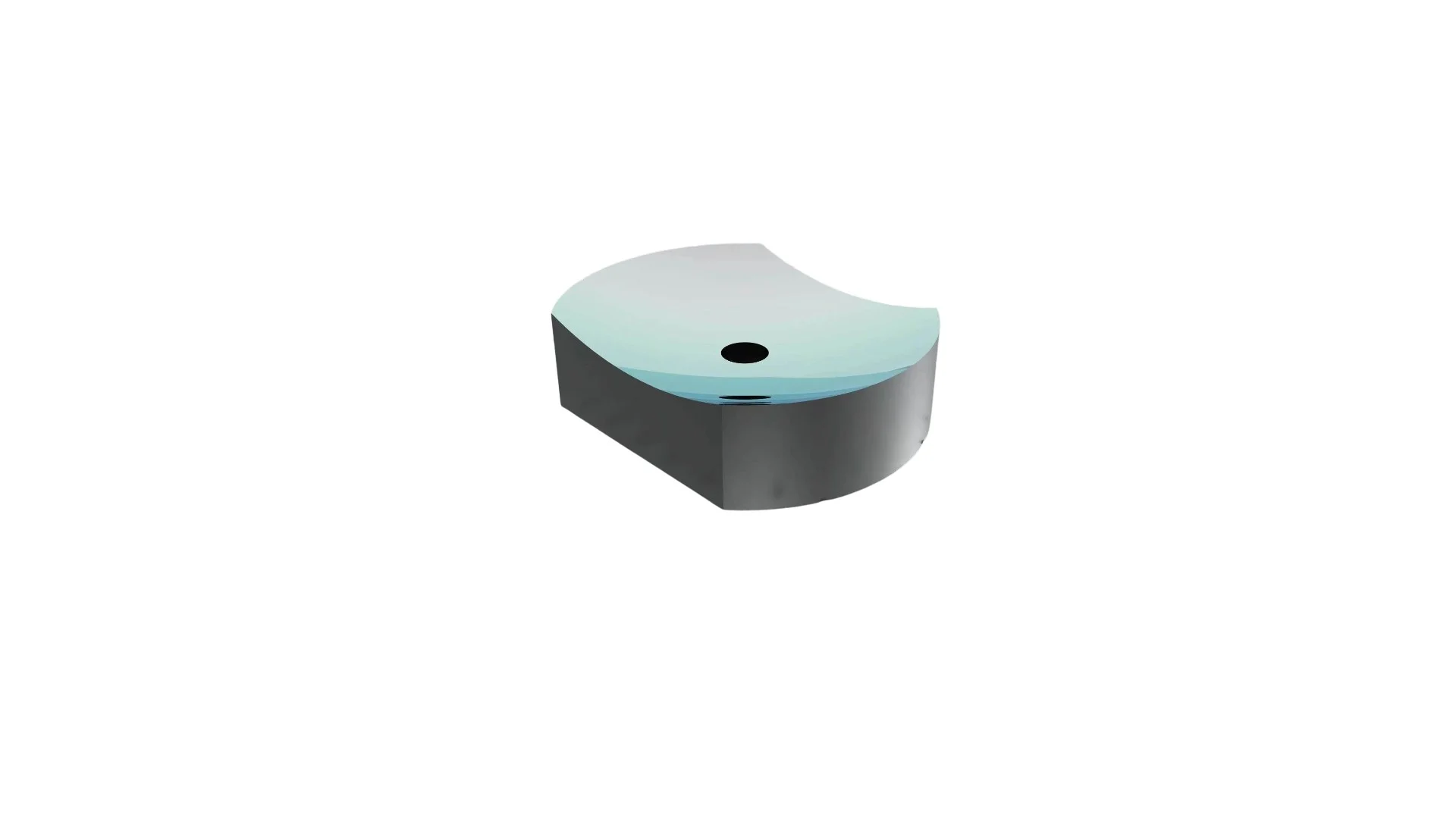
Complex high-order aspherical surface fabrication
These products are specifically designed for aspherical types that have extremely high failure costs in optical systems.
Our core equipment and metrology capabilities
The testing capability of aspherical surfaces directly determines the upper limit of aspherical surface manufacturing. We utilize cutting-edge equipment and processes to mass-produce aspherical optical components, establishing a manufacturing and testing system for large-aperture aspherical surfaces ranging from small apertures to 1000mm.
Our existing testing and measurement
equipment
Zygo interferometer (for high-precision surface profile monitoring, supporting PV/RMS and low-to-medium frequency error assessment);
Zeiss coordinate measuring machine (for detecting geometric datum and center deviation);
Large-aperture 1000mm interferometer (for inspecting medium to large-sized aspherical surfaces);
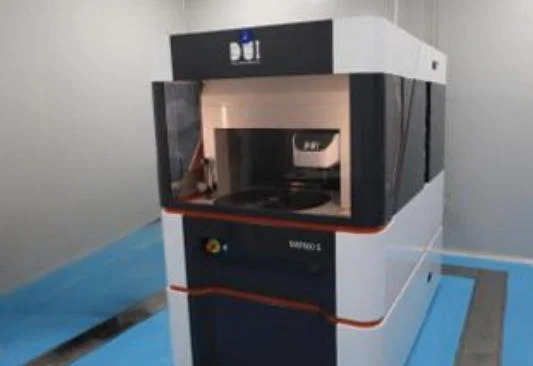
DUI-600 high-precision surface profile inspection equipment (for high-resolution monitoring of contour and aspherical parameters).
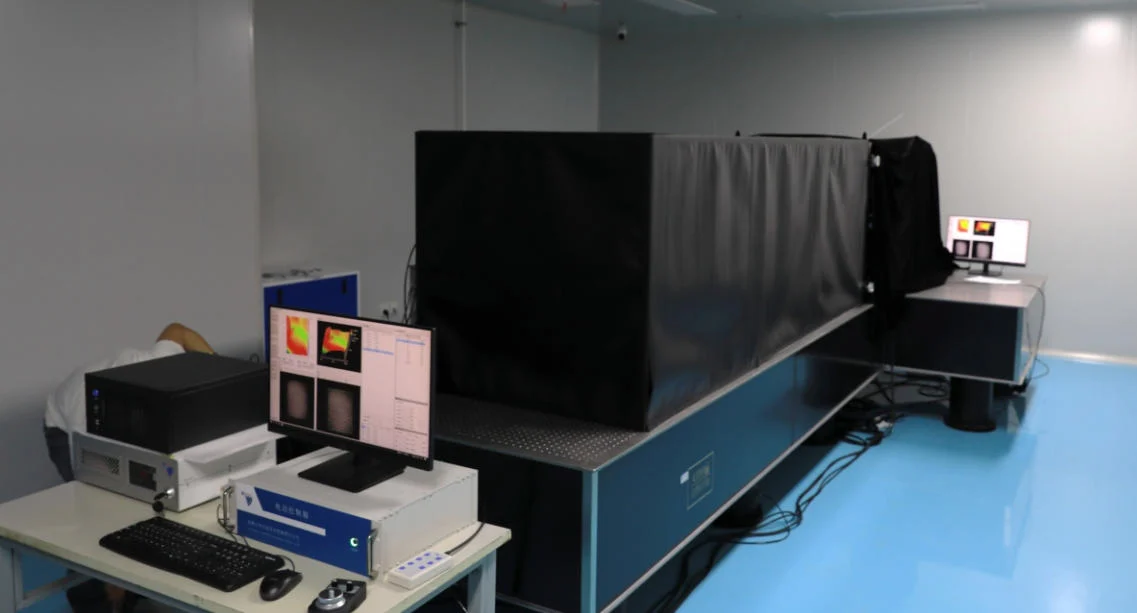
Polishing and processing equipment
We employ a phased approach to processing different sizes, error frequencies, and material properties. Currently, our polishing and processing equipment mainly consists of:
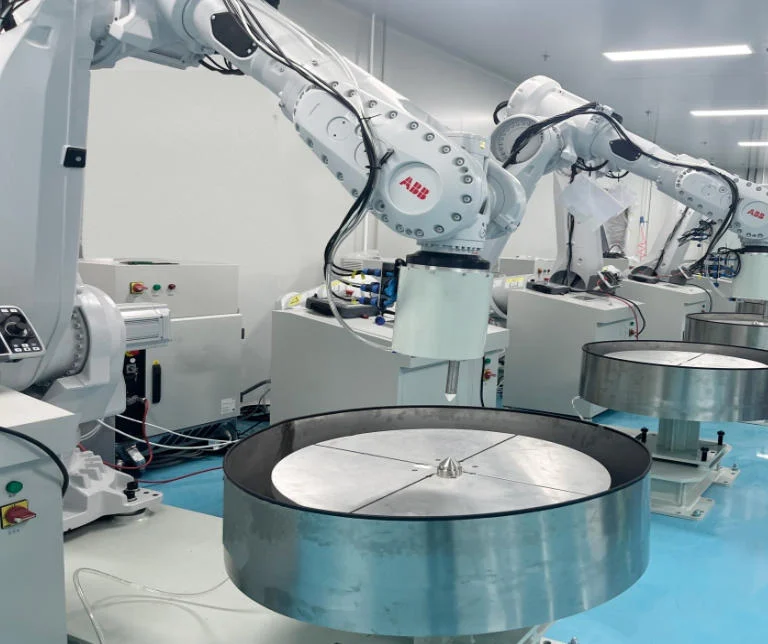
Robotic Aspheric Polishing
We utilize robotic polishing equipment to process aspheric surfaces and complex optical components. The robotic aspheric polishing system consists of a multi-degree-of-freedom robotic arm, capable of processing complex aspheric surfaces. The polishing pressure and speed are repeatable, resulting in higher consistency than manual and semi-automatic systems.
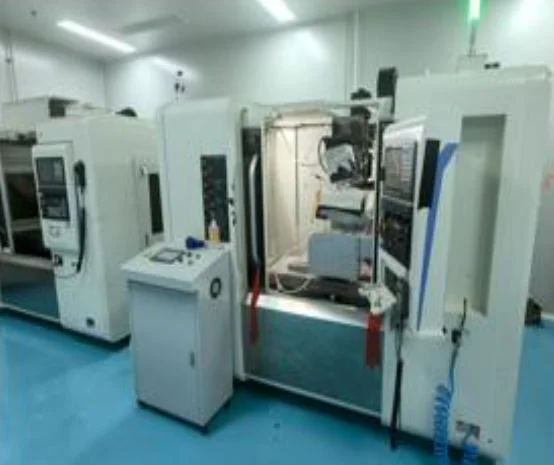
CNC Multi-Axis Aspheric Polishing
Multi-axis linkage control CNC aspheric polishing can correct axisymmetric and higher-order aspheric surfaces, reducing mid-frequency errors. Currently, we use various optical materials to process aspheric surfaces, including: quartz, BK7, sapphire, silicon, CaF₂, MgF₂, Ge, and ZnSe.
Process parameters are tailored to different customer applications and needs, such as imaging, laser, and infrared, and based on differences in material hardness, brittleness, and thermal response.
Product Line
Currently, we have production lines for medium and large aperture aspherical surfaces, as well as high-precision aspherical surface profiles for small apertures, covering diverse optical application needs.
Our existing testing and measurement
equipment
- Large and medium aperture aspherical surfaces
- Coaxial aspherical surfaces
- Off-axis aspherical surfaces
- Parabolic surfaces
- For high-power lasers
- Aspherical optical components for infrared and system-level optomechanical integration
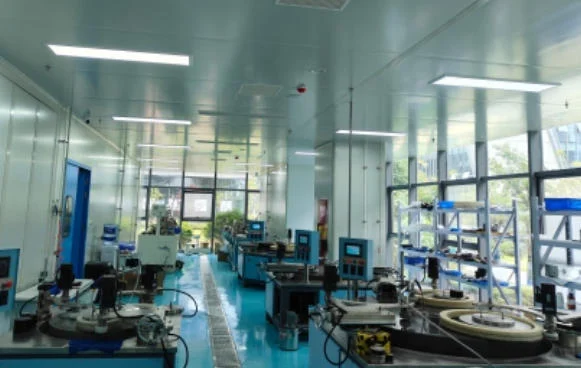
Small-aperture aspherical high-precision
surface production line
Primarily used for processing small-aperture, high-order aspherical surfaces.
These products are designed for system integration and engineering delivery and have been applied by our customers in various optical systems, including:
- High-energy, high-intensity laser optical systems
- Infrared imaging and guidance
- Industrial optical systems
- Aerospace and research-grade systems, and many other optical systems.
Our aspherical surface processing steps
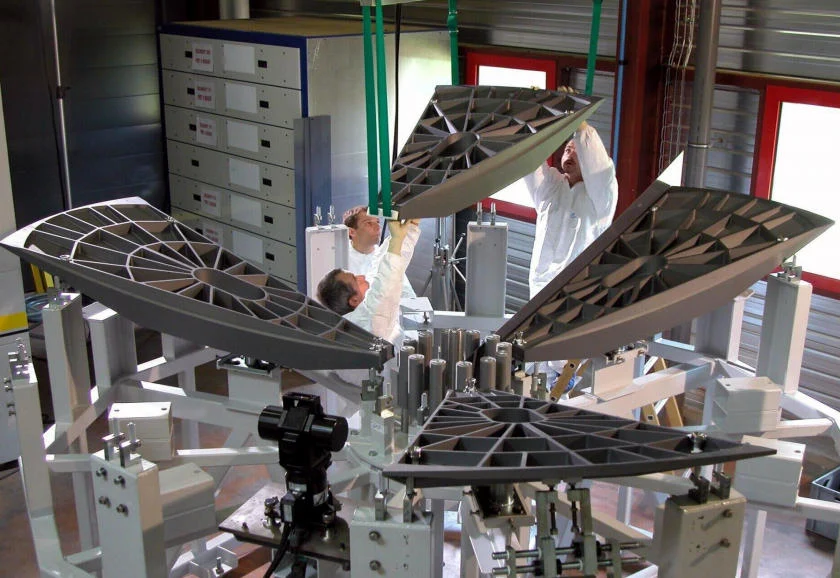
We adhere to a closed-loop process principle that allows for correction and reversibility, from precision contour generation and initial shaping to CNC/deterministic polishing and surface inspection and error decomposition, with targeted correction for mid-to-high frequency errors.
In actual delivery, we employ a replicable and sustainable performance index system. Currently, our company can achieve a surface accuracy of up to λ/60@632.8 nm, a maximum diameter of 1000 mm, a surface roughness of 0.2 nm, and a surface quality of 10⁻⁵. Furthermore, we have standardized effective aperture specifications for large-aperture components to minimize optical performance collapse at the edges and suppress potential imaging degradation and laser scattering.
We are not focused on one-time delivery costs, but rather on delivering aspherical optical components that enable long-term partnerships and sustainable use for our clients.