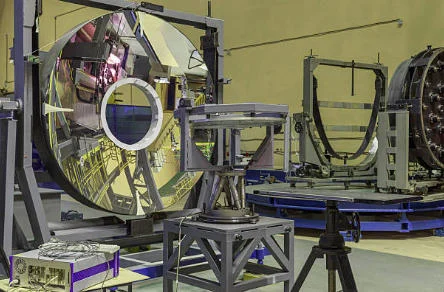
Large Aperture Coating Capability
Large-Diameter Optical Coatings with Engineering-Level Consistency
In the fabrication of optical components, the processing and coating of large-aperture elements present significant challenges. Large-aperture elements demand far greater rigidity, stability, and precision from equipment compared to small and medium-aperture elements. Large size is a major challenge. Furthermore, the larger the size, the more difficult it becomes to control performance consistency from center to edge, as well as batch stability and yield. Our company, Asin Optics, has developed processing and coating capabilities for large-aperture optical components to meet our customers’ needs for high-precision optical systems.
From raw material preparation to forming, fine grinding and polishing, vacuum coating, performance testing, and traceable delivery, we currently employ a complete evaluation system for the processing and coating of products such as windows, mirrors, protective windows, large-aperture focusing components, and wedge-shaped parts.
In addition to high-precision optical substrates, coating large-diameter components is also a challenge. Coating large-diameter components requires solving the problem of uniformity of film thickness across the entire aperture range, while ensuring consistency between different batches.
The types of films we currently offer include
Covering the ultraviolet, visible, near-infrared, and mid-infrared bands.
We can design the film system and adjust the process parameters according to the customer’s system requirements.
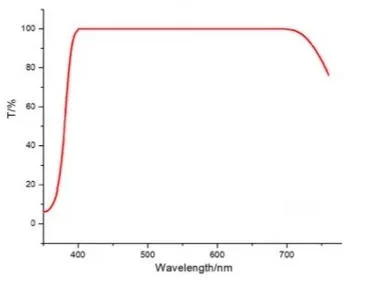
Anti-reflective (AR)
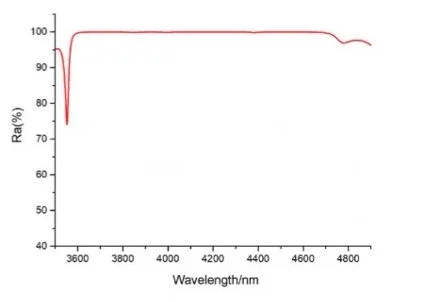
High reflective (HR)
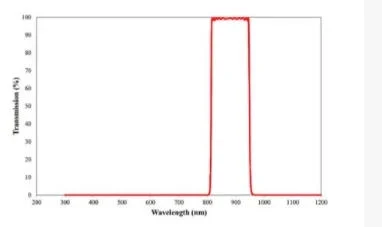
Multi Dielectric coating
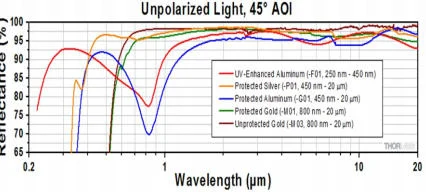
Metallic film (Al / Ag / Au)
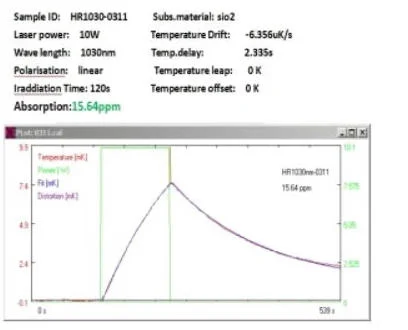
High damage threshold laser film
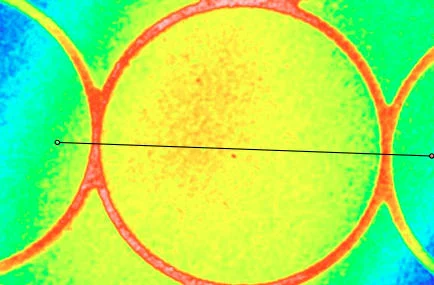
EMI shielding film
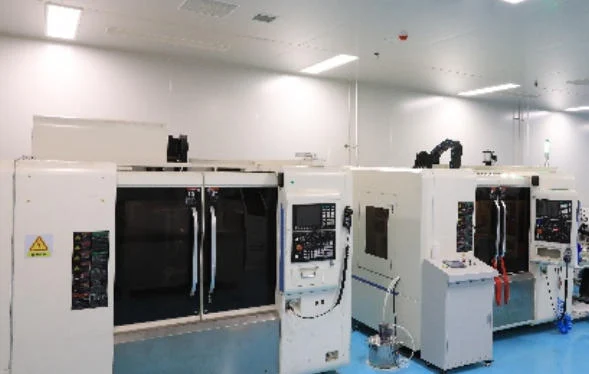
Equipment Configuration for Large-Aperture Optical Components
We utilize high-capacity CNC grinding equipment, capable of stably clamping large and heavy optical blanks. Multi-axis control allows for continuous, long-term machining of planar, spherical, low-order aspherical, and high-order aspherical surfaces. Simultaneously, we employ large-aperture full-aperture polishing machines and sub-aperture polishing equipment for precision grinding and polishing of the components.
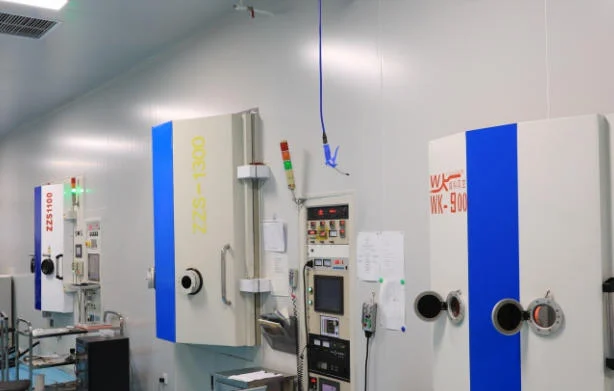
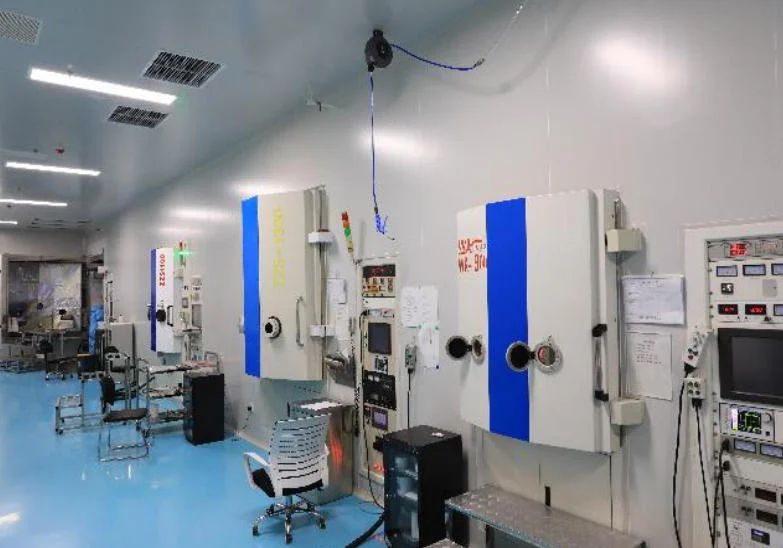
Coating of Large-Aperture Optical Components
For coating large-aperture optical components, we generally use a large-size vacuum coating machine with a diameter up to 1000mm, capable of accommodating one or more large-aperture optical components simultaneously. For components with special laser requirements or those that cannot be processed by other vacuum coating methods, we use ion-assisted coating to perform complex film deposition. This ensures the uniformity and consistency of the film layer even under large-aperture conditions.
Post-coating treatment
When necessary, we will perform low-temperature baking or aging on the components to stabilize the spectrum and avoid stress changes in the film layer after coating on large-diameter substrates.
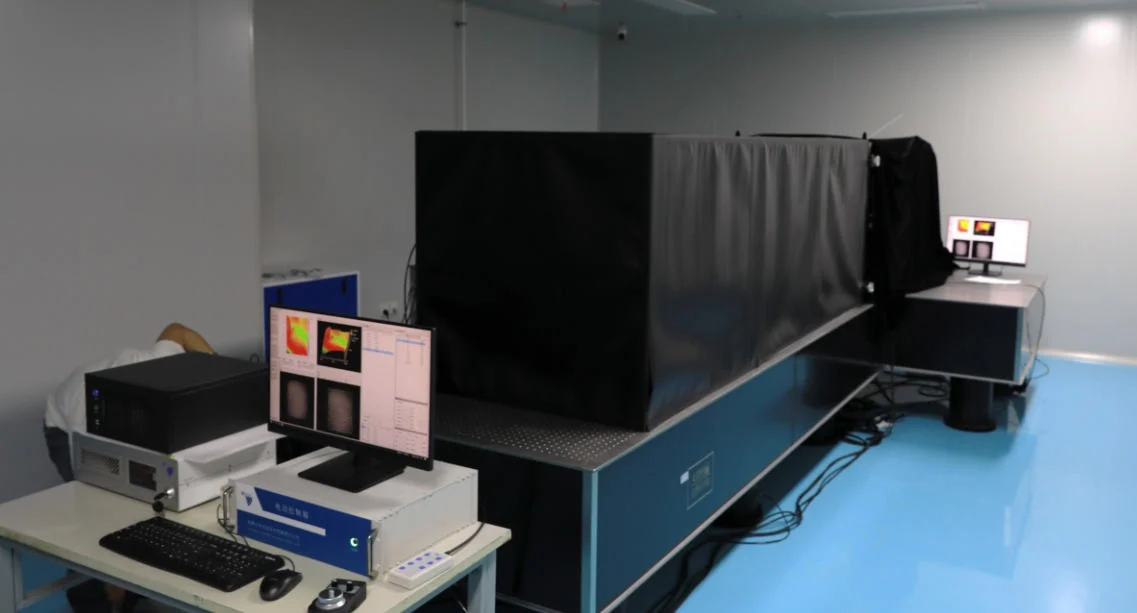
Testing Equipment
Our company currently has a 1000mm large-aperture interferometer, supporting direct measurement across the entire aperture, as well as spliced interferometry for ultra-large apertures. Our spectrophotometer can measure spectra from 200nm to 30μm using UV-VIS-NIR-IR. We also support surface roughness testing down to 0.5λ.
Inspection Items:
1. Interferometer inspection of full-aperture surface profile, outputting PV, RMS, and other test results.
2. Profilometer inspection of surface roughness (Ra, Rq).
3. Coordinate measuring machine (CMM) inspection of dimensions and geometric tolerances.
4. Spectrophotometer inspection of UV-IR spectra, simultaneously outputting multi-point transmittance curves, reflectance curves, center wavelength, transmittance, and reflectance.
5. Optical microscope and manual inspection of surface finish, including defects such as pitting, delamination, and haze. We can also perform coating reliability and environmental testing according to customer project requirements, including but not limited to adhesion testing, resistance to damp heat, resistance to delays, abrasion resistance, and spectral drift testing.
Our large-aperture coating capabilities are now being applied to
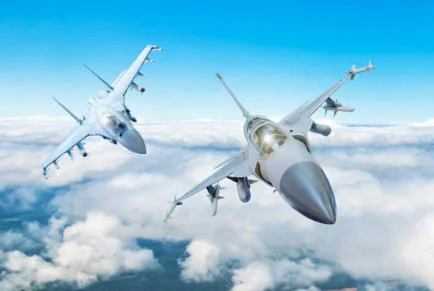
Aerospace

Infrared guidance and other optical windows