Micro Optics Engineering
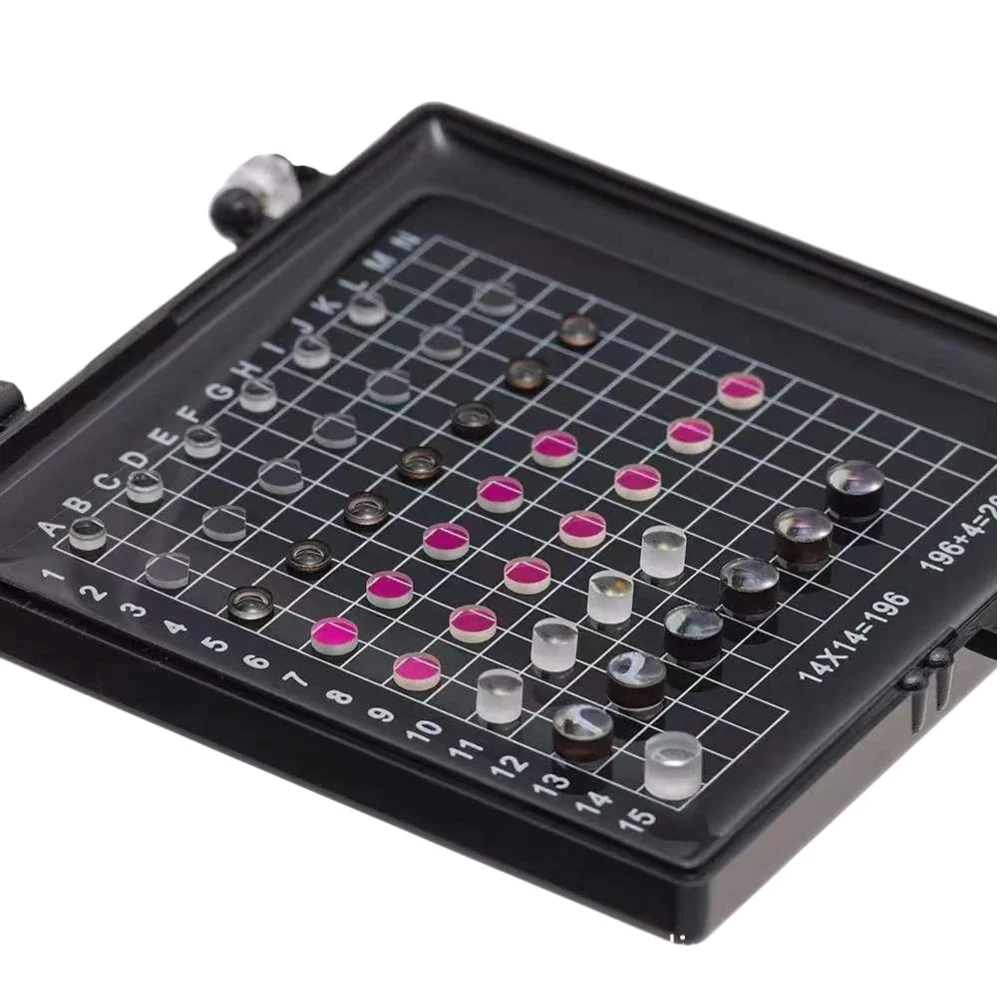
To meet the demands of micro-optical systems for extremely small, ultra-high precision optical components, we have established a dedicated production line for the fabrication of micro-precision optical components, producing microlenses, micro aspherical lenses, micro prisms, micro beam splitters, micro cylindrical lenses, micro windows, and micro mirrors with apertures larger than 0.6mm. We have developed a specialized micro-clamping system and a low-stress adsorption assembly process to avoid deformation and edge chipping during the fabrication of micro-components, ensuring consistency and reliability in batch deliveries.
These products are widely used in medical laser systems, infrared sensing, optical communication, optical lasers, and consumer electronics.
Core Product Series
Microlens Series
- Miniature Plano-Convex Lenses
- Miniature Aspherical Lenses
- Miniature Spherical Lenses
- C-Lens
- Square Lenses
- Miniature Collimating Lenses
- FAC
- SAC
- Cylindrical Rod Lenses
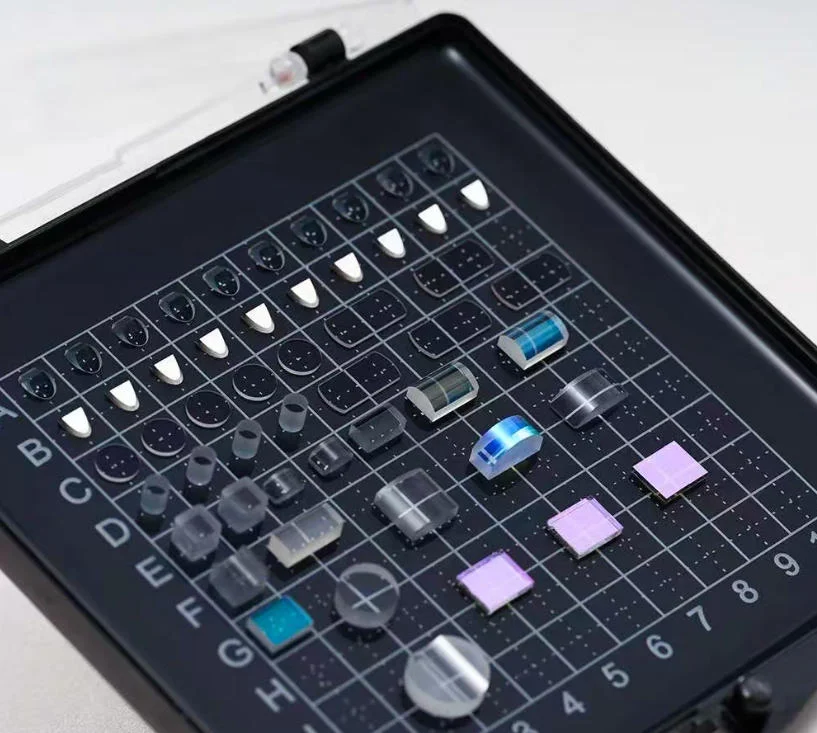
Microprism Series
- Hexagonal Prism
- Roof Prism
- Wedge Prism
- Right Angle Prism
- Miniature Stereo Spectroscope
- Pentagonal Prism
- Dowell Prism
- Pyramidal Prism
Miniature Window Series
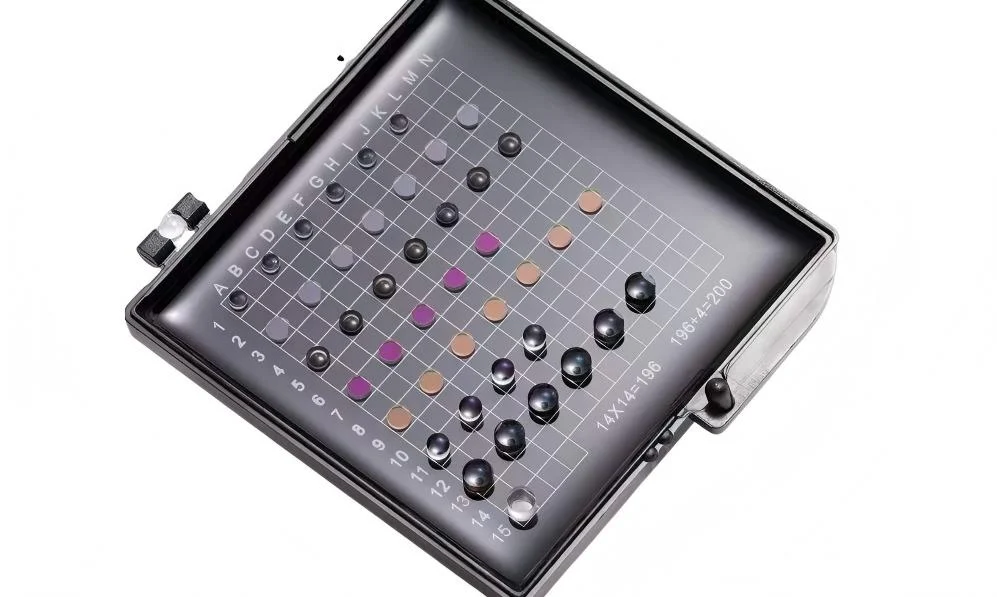
- Sapphire Miniature Plane Window
- Ruby Miniature Plane Window
Miniature Rod Series
- Sapphire Rod
- Ruby Rod
Processing Capabilities and Technical Specifications
Regular Processing Capabilities
Minimum processing size >= 1mm
Surface accuracy: PV < 0.25um @ 632.8nm
Surface finish: 20-10 (MIL-PRF-13830B)
Miniature Prism Series
We possess the capability to process miniature prisms down to 1mm in diameter, encompassing miniature right-angle prisms, miniature pyramidal prisms, miniature stereo beam splitters, roof prisms, pentagonal prisms, Dove prisms, and other pyramidal prisms.
Microlens Specifications
We have the capability to manufacture aspherical lenses larger than 0.6mm.
Surface finish PV < 0.25u
Eccentricity accuracy 20 sec – 1 arc minute
Center thickness +/- 0.02mm
Precision Molding Process
To address the geometric features and precision requirements of micro-machining, we employ precision molding and high-precision CNC molding processes, overcoming three major technical challenges:
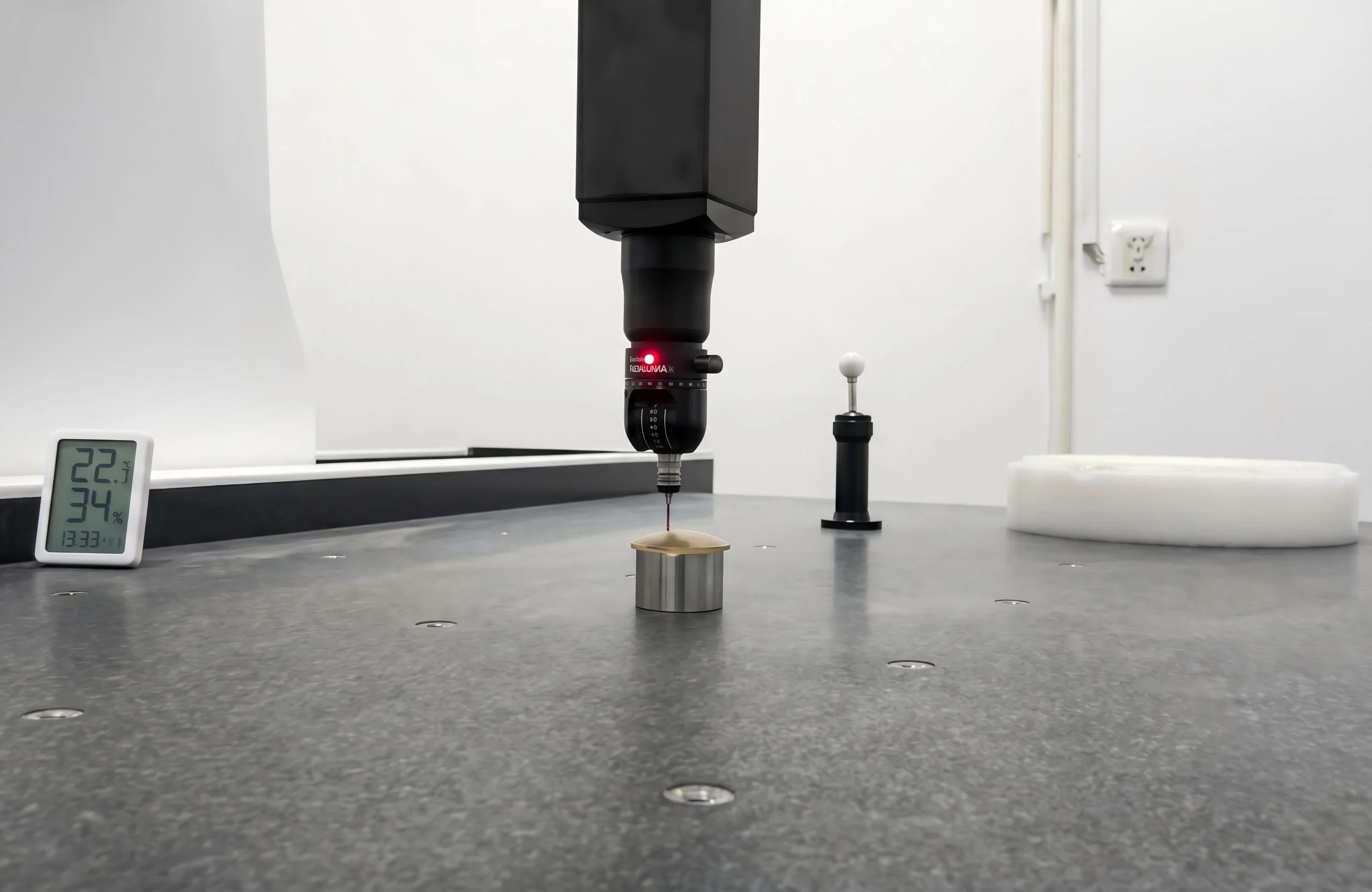
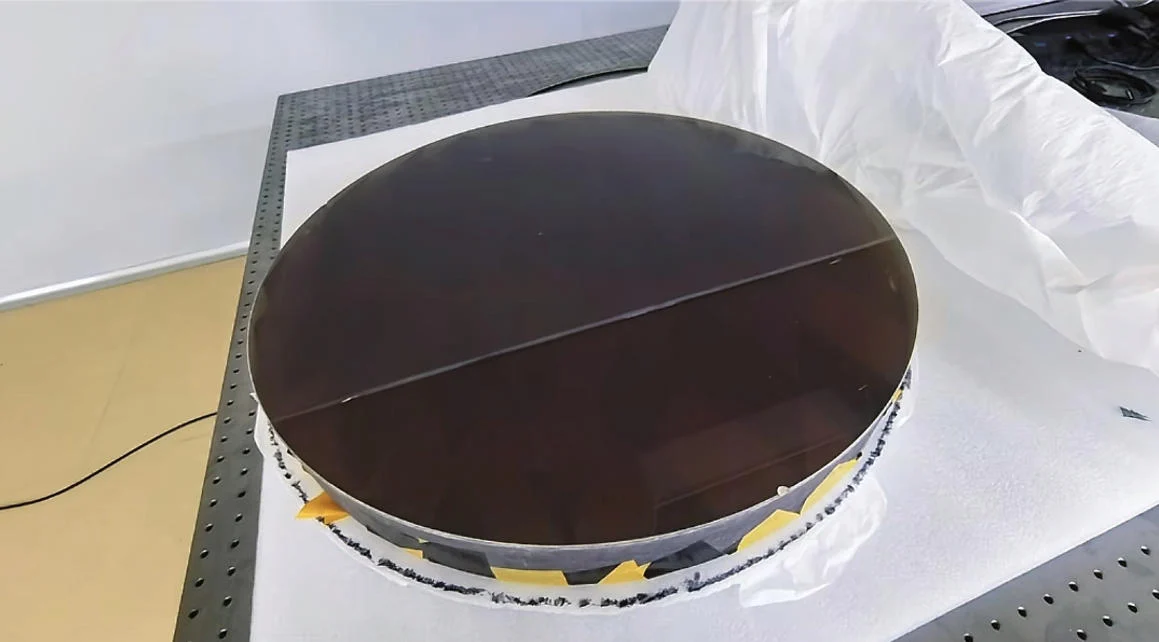
Controlling surface damage
Surface damage is controlled at the nanoscale by optimizing grinding parameters and polishing slurry ratios.
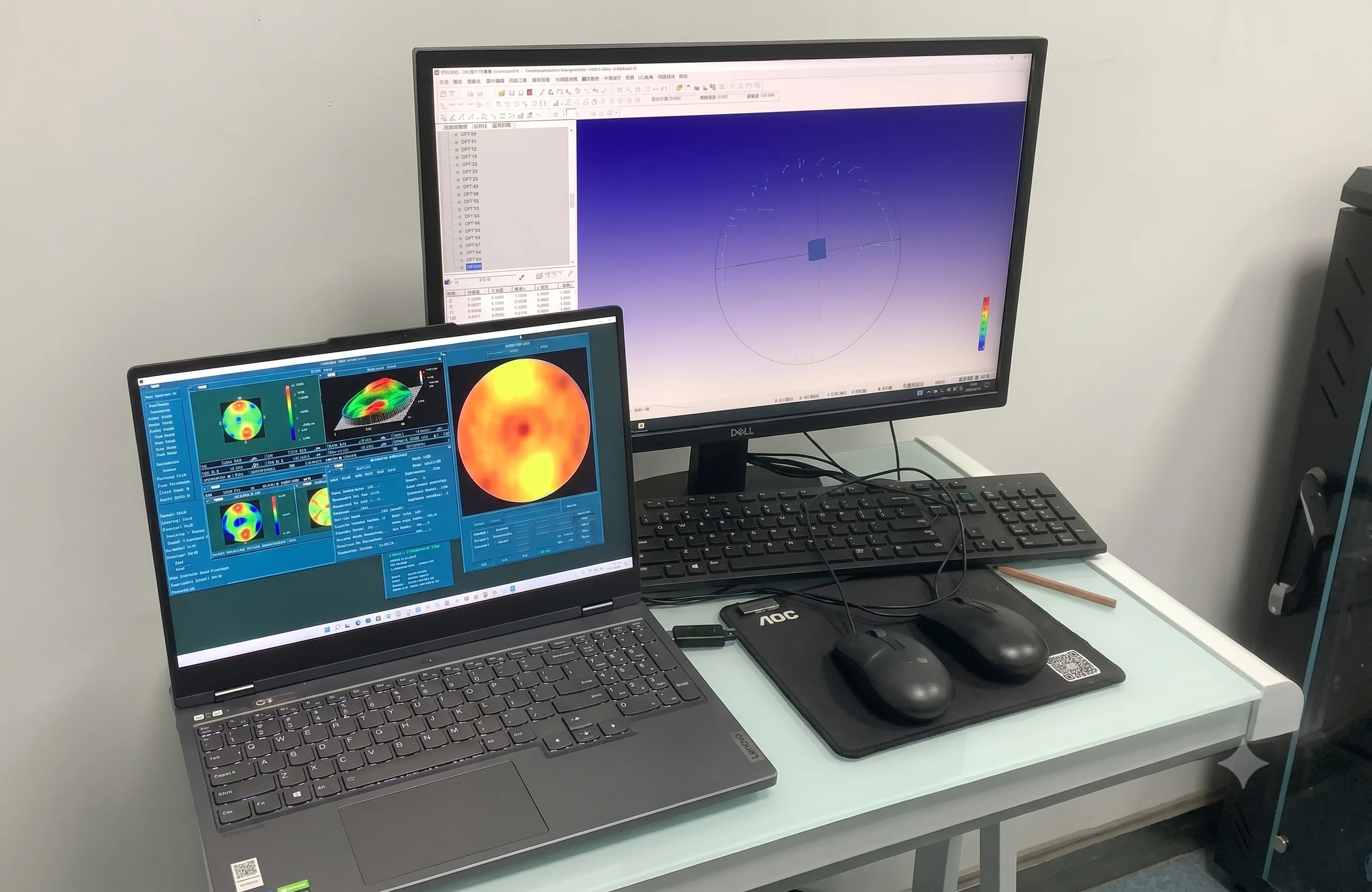
Suppressing microcracks at edges
Developing edge polishing strategies to eliminate edge defects such as chipping and serrations.
Controlling thermal effects
Implementing heat-affected processes during molding to ensure uniform refractive index and surface stability.
Coating Technology for Micro-Components
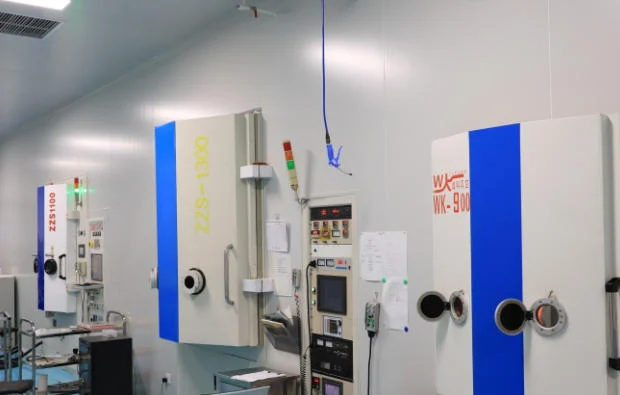
For micro-optical components, we have developed a coating technology for micro-grippers, which can solve the problems of edge effects, morphology, and clamping damage during the coating process.
We can process:
- Broadband antireflection coatings: Residual reflectance R<0.5% (visible light) / R<0.3% (near-infrared)
- High reflectance coatings: R>99.8% @ specified wavelength
- Beam splitters: 50:50 / 30:70 ratio
- Metallic films: Aluminum, silver, gold, with protective layer
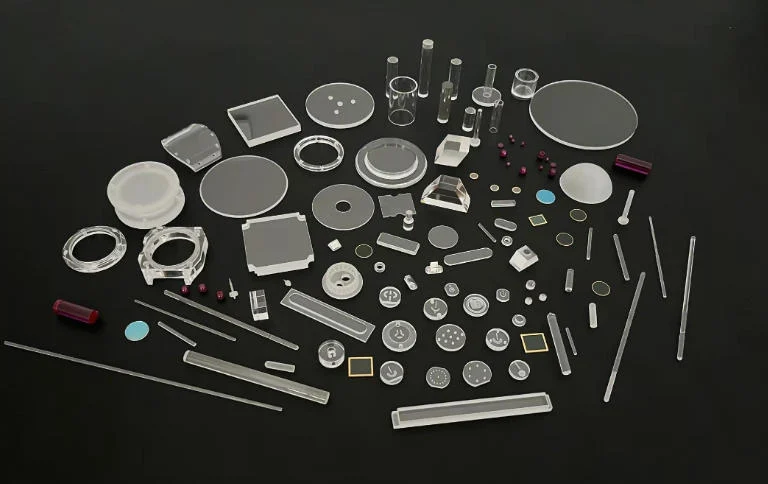
Currently, we support the following material
range for microfabrication:
- Sapphire: Microwindows, fiber optic coupling lenses, high-power laser components
- Fused silica: Fiber optic endfaces, microlenses
- HK9L: Microprisms, microbeam splitters
- Ruby: Microbearings
Application Areas
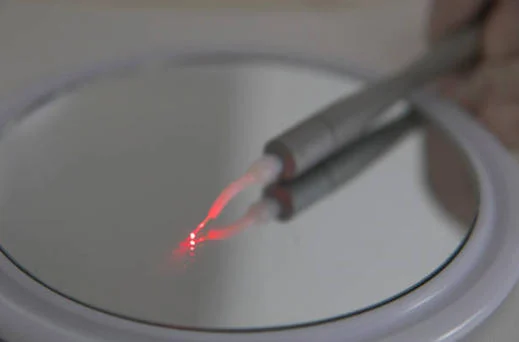
Medical Micro-Laser Systems
Micro-laser crystals and Q-switching elements for dental aesthetics, ophthalmic surgery, and skin treatment

Infrared Sensing Systems
Miniature infrared windows, filter substrates, aspherical collimating lenses
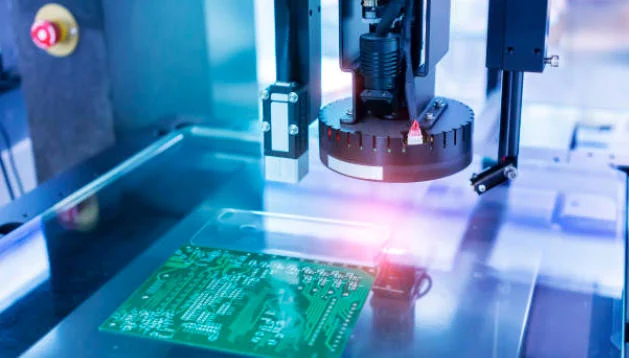
Precision Measurement Systems
Miniature corner cube prisms, miniature beam splitters, laser interferometer reference components

Optical Communication
C-lens, miniature collimating lenses, fiber optic coupling modules
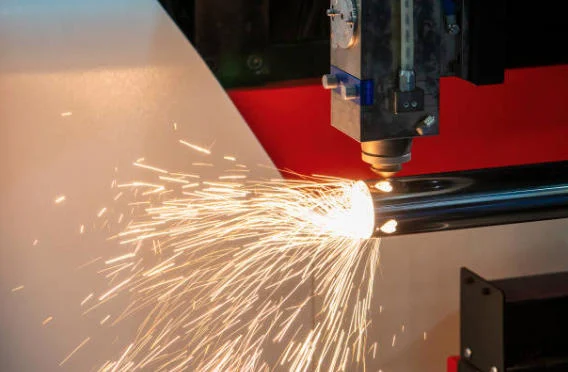
Fiber Lasers
Miniature aspherical lenses, cylindrical rod lenses, high-power heat dissipation windows

Consumer Electronics
Miniature projection optical modules, 3D sensing transmitter lens arrays