High-Damage Laser Coatings
High laser damage threshold (HDLT) coatings place high demands on the controllability of the manufacturing process and the ability to identify defects. Asin Optics has established strict process controls for HDLT coatings based on equipment capabilities and process control.
High laser damage threshold coating, performed under high-energy lasers, places high demands on the substrate surface before coating. To clarify substrate standards, we have specifically established substrate cleaning and inspection standards:
- We currently use a multi-tank ultrasonic cleaning system to remove contaminants, particles, and metal residues from the substrate surface, ensuring a high degree of smoothness after cleaning.
- In addition to multi-tank ultrasonic cleaning, we also use visual inspection and optical microscopy to inspect the substrate surface for potential particles, scratches, and surface abnormalities.
Only substrates that pass the inspection standards can proceed to the laser coating process.
Dedicated High Laser Damage Threshold Coating Platform
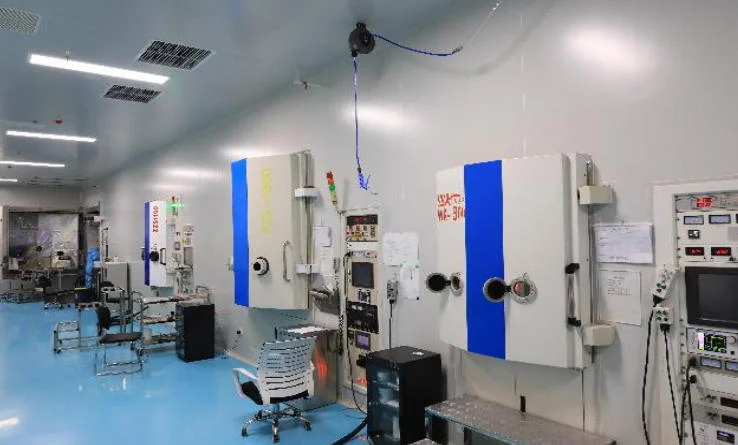
To meet our customers’ high laser damage threshold requirements, we have equipped ourselves with dedicated coating equipment, which is not used in conjunction with conventional coating methods. Currently, we have three types of deposition equipment:
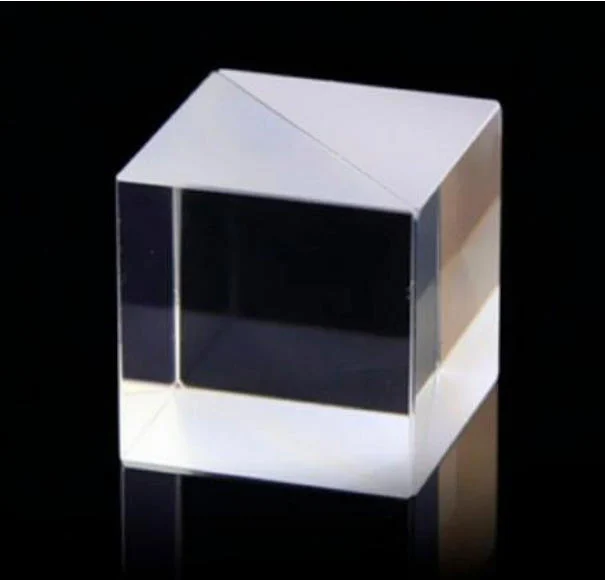
Ion Beam Sputtering Coating
Ion beam sputtering coating can produce dielectric films with high density and low defect density, making it ideal for high-power laser applications.
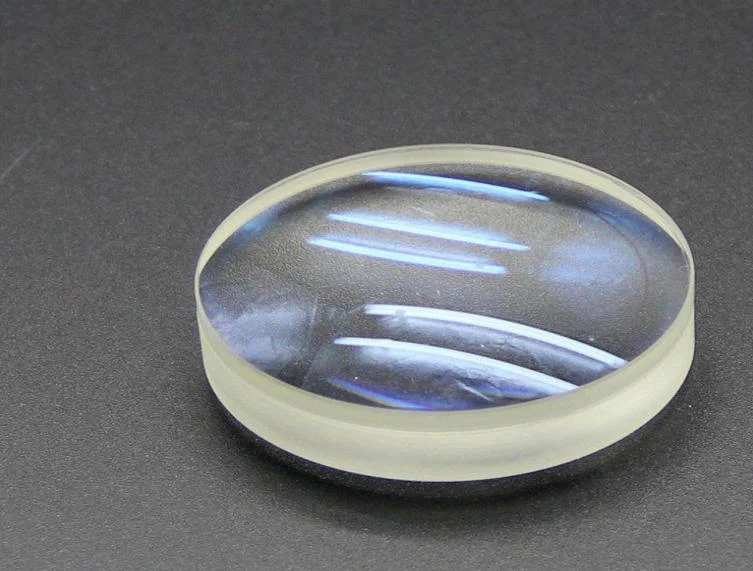
Ion-Assisted Coating
Ion-assisted coating is currently our standard coating equipment. We use a dedicated ion-assisted coating system to improve the film density requirements for high laser damage thresholds.
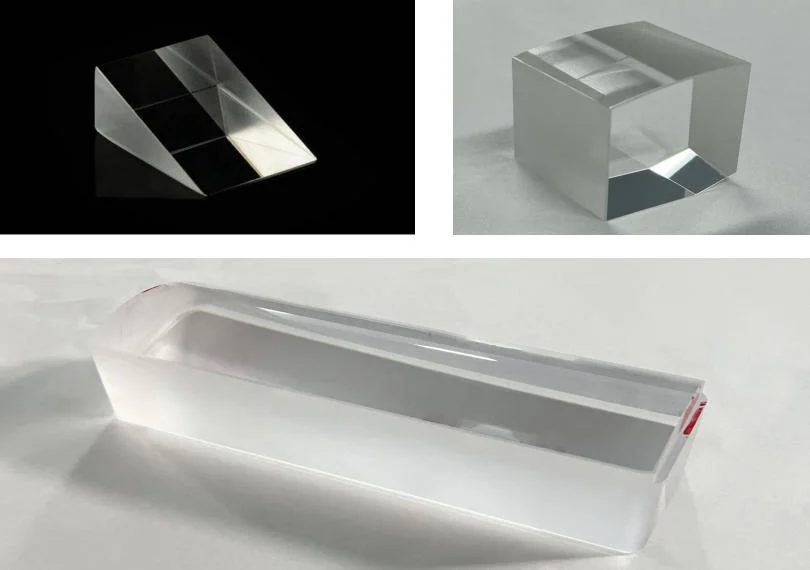
Vacuum Coating
In addition to ion beam sputtering and ion-assisted coating, we also use vacuum coating to reduce the impact of gases and contaminants on the lens on laser damage.
We have established specific maintenance standards and coating process requirements for these devices to ensure everything is within a controllable quality control range.
Strict Coating Process and Control
High laser damage threshold coating is highly sensitive to the stability of the coating deposition process. During the coating process, we:
- Monitor the deposition state and consistency between film layers in real time.
- Strictly control the deposition rate to ensure a stable and controllable deposition process.
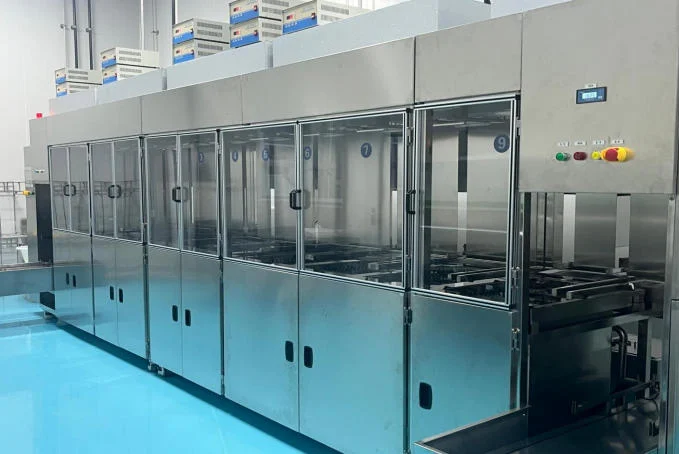
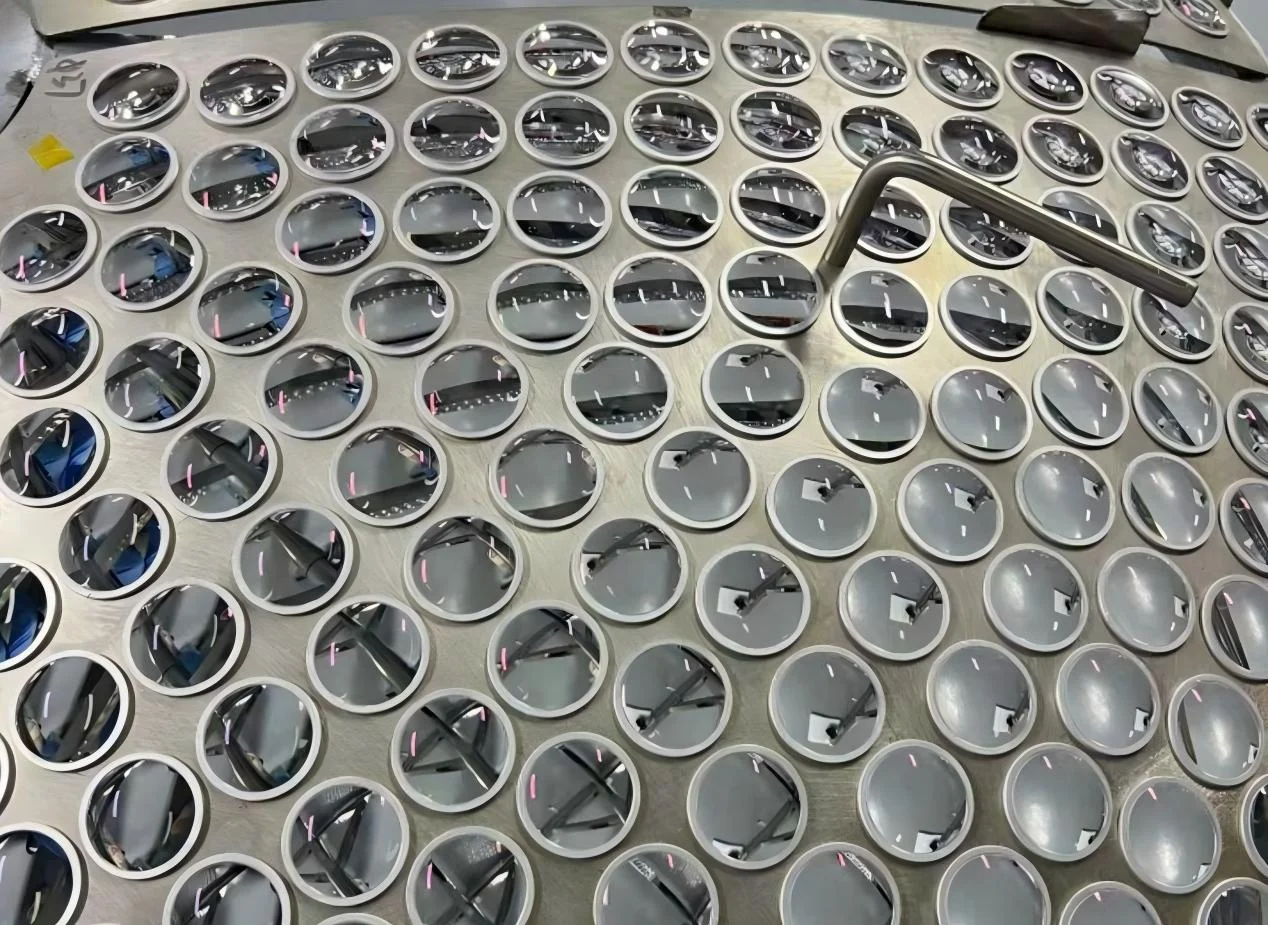
Post-Coating Inspection
After coating, we employ specialized inspection methods to address the high laser damage threshold requirements:
- We use an optical microscope to inspect the film for standard defects or abnormal structures.
- We use a Cary 5000 spectrophotometer to verify that the spectral performance meets the coating requirements.
- After coating, we perform a specialized heat treatment to stabilize the film structure.
Strict Coating Process and Control
High laser damage threshold coating is highly sensitive to the stability of the coating deposition process. During the coating process, we:
- Monitor the deposition state and consistency between film layers in real time.
- Strictly control the deposition rate to ensure a stable and controllable deposition process.
Analysis and Testing of Laser Damage Threshold
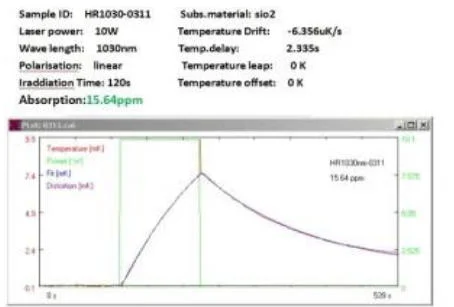
We have a dedicated laser damage threshold testing platform to test high laser damage thresholds. Currently, we have a laser damage threshold testing system that supports single-pulse and multi-pulse laser damage testing. During testing, we employ multi-point testing and statistical analysis methods on the same substrate, and utilize microscopy to analyze damage and defects in the post-laser coating.
For each high laser damage threshold lens, we implement full-process quality control and recording to ensure that each lens is stable, reproducible, and traceable.